
ADHDers and Autistic people are increasingly involved in understanding their brains and engaging with their community. Many neurodivergent individuals often have sound knowledge and awareness of their sensory needs – after all, we live with our brains.
Due to my late diagnosis, and lack of accessible sensory supports, I’ve had to adapt to the worlds environment in creative ways to meet my sensory needs. This means I often use everyday items very differently from neurotypical individuals.
If our different needs are kept secret then we will continue to struggle to find acceptance and understanding.
Let’s explore some commonly presumed everyday costs with some examples of how neurodivergent people could use them differently.
Blu Tack
According to the packaging, some examples for everyday use could be:
Holding up posters and photograph, party decorations and the next one, more interestingly (and here’s a photo) says “create & play” and there’s a little picture of it in someone’s hand, see?

I intended to explain the focus and/or sensory need for fidgeting. Then I hoped to discuss Blu Tack’s particular sensation when rolled, squished, pressed, poked, wrapped around fingers and how that differs from everyday use.
Now I wonder is it worthwhile contacting Bostik to request they include Blu Tack’s possible use “as a sensory experience, or to aid emotional regulation”, because “create & play” seems to take away from what it does to help my sensory needs when I fidget with it.
Our sensory needs deserve recognition and validation.
We deserve inclusion – and packaging that reflects our existence and specific needs.
Seeing words on packaging like “sensory experience” would make me feel warm and fuzzy.
While Blu Tack is highly versatile, I’ve bought it countless times for my disability needs – to hang posters for routines, schedules, reminders, prompts. It often engulfs my walls. Blu Tack has followed me here to my hotel room. It secures my colour-change light strip (another sensory need).
I often forget to check my drawer before buying one.
Luckily Blu Tack doesn’t appear to have an expiry date and always ends up being used at some point. (Can’t say the same for my fruit and veggies – which probably come take first place in the “out-of-sight out-of-mind ADHD tax”.)
Phone battery replacement

Photo by Tyler Lastovich on Pexels.com
Is this an everyday cost?
Let’s take a glance at the disability related items connected to my phone and why I believe battery replacement is important.
I use my phone more often for apps such as Fabulous or scheduling/reminders, or self regulation with Spotify and my noise cancelling headphones.
I live for music.
It’s there for the ups and downs and communicates my feelings when I’m non-verbal.
Check out my (rather impressive) stats from last years Spotify Wrapped:
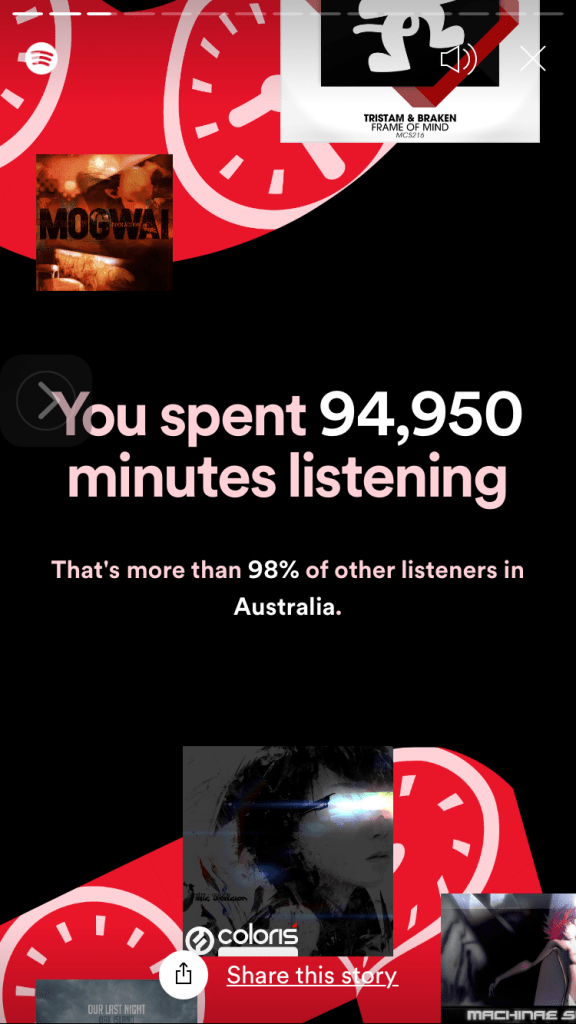
“You spent 94,950 minutes listening. That’s more than 98% of other listeners in Australia.”
That’s about 4.5 hours a day and doesn’t include YouTube music or radio.
I’m actually shocked there’s only 2% of people like me in Australia.
My Nuraphone noise cancelling headphones have constant bluetooth connection to my iPhone.
I won’t leave home without them and rarely take them off in public. When they aren’t playing the soundtrack of my life, “social mode” blocks excessive noise while noise cancellation provides focus during conversations.
Apple Watch – Another constant Bluetooth connection. Alarms are set 4 times a day for Ritalin medication (which helps both my ADHD and ASD symptoms)
I have a Psychiatric Service Dog (known as an Assistance Dog in Australia) who I access the community with, My Apple Watch allows hands-free phone calls which saves me from a tangled lead and dropping my phone.
Overnight, it monitors sleep, syncs with my calendar, provides gentle bedtime reminders, mindfulness and reflection reminders, heart rate alerts and oxygen info.
Gone are the days where I’d say:
“Where’s my phone? I know I had it a second ago…”
Years ago I would give my number to strangers and ask them to call my phone. I knew where all the public phones were and used them too to make sure my phone wasn’t speeding off under an empty train seat.
Apple Watch’s can ping phones, so I never have to worry.
The watch doesn’t leave my wrist.
Not one phone has developed wheels and sped off under any empty train seats since having an Apple Watch!
My iPhone helps coordinate and meet many additional needs and I believe battery replacement is valid.
Place Mats

a plateat the table. She has medium length frizzy hair.
Photo by cottonbro on Pexels.com
No, I don’t want place mats to make my space pretty or to entertain visitors.
Proprioception impacts my eating.
Lately, my only guests are disability support workers.
I’ve never been shown how to adequately entertain with place mats, and eating around people is not on my list of to dos.
Being a messy eater is hard. So is idle chit chat.
I want something practical and visual, sensory friendly, durable and easy to clean.
Yoga mats
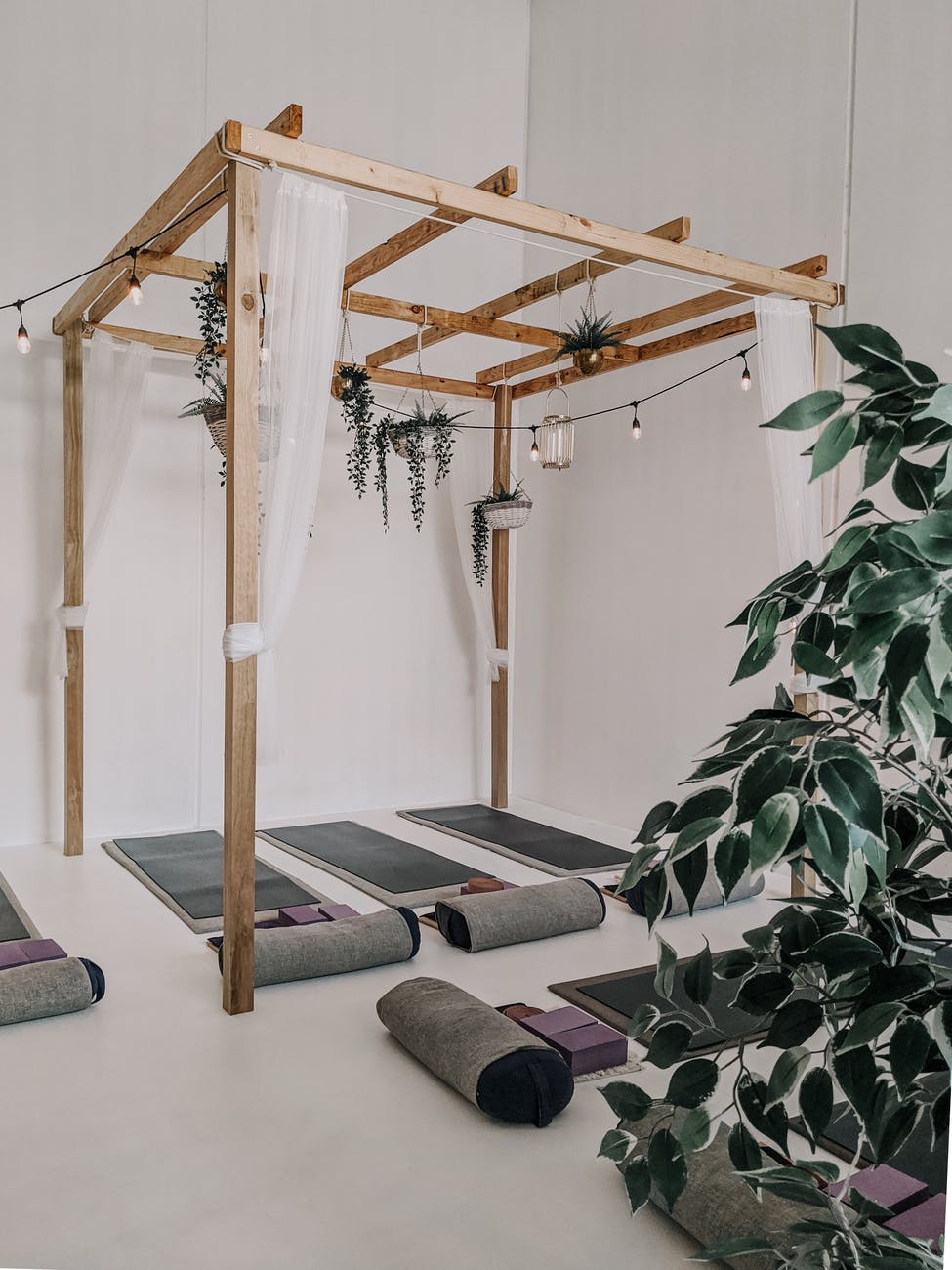
There are leafy green plants hanging from a wooden gazebo.
Photo by Tiff Ng on Pexels.com
Carpeted floor is often a sensory discomfort. Yoga mats can make the floor more tolerable.
Laying on the floor to watch a movie should be a sensory friendly experience. Floor material should not aggravate hypersensitivities or cause distress.
Lying down to watch a movie shouldn’t be done where I do yoga. My yoga mat for yoga requires a special designated meditation space.
No use confusing my brain. I want to develop specific routines. Different things have different places and purposes.
Also, yoga mats might not be adequate for all. Some people may require other things such as JettProof’s Seamless Sensory Socks (if you’d like a review of these let me know! They’re fantastic!)
Proprioception challenges may require an individual (such as myself) to drink with straws (or water bottles) so that they don’t bump their teeth into the glass or get water everywhere.
Straws
warm coloured straws.
Photo by Christopher on Pexels.com
No, straws aren’t always for fancy decoration or entertainment. They’re often much less painful to bump into.
Bandaids
light cadet blue background.
Photo by Tara Winstead on Pexels.com
Proprioception challenges mean I often bump into items. There might actually be other ways around solving this issue, and I intend to ask my OT, but band-aids are still often needed in larger frequencies due to skin picking or other autistic related behaviours. (My Assistance Dog is trained to interrupt these behaviours and I have fidgets to help redirect.)
Unmentionables – (Aka Disposable period pants, but you’ll probably never see me say these words again because unmentionables seems far more fitting.)
Speaking of “more fitting” I find my chosen form of unmentionables are better fitting. Sure, everyone that gets their period pays an often monthly menstruation fee (which I think is unfair), Having periods while being on the spectrum can be the most unpleasant experience imaginable, especially when placement of unmentionables feels unnatural or things slide around while walking.
General masking is hard enough.
Masking the discomfort experienced down there… sometimes I simply can’t.
I find unmentionables (which ironically have of course now been mentioned multiple times) are so much tolerable to wear as an all-in-one. Experiencing a period is horrible enough. Comfort and non-sensory irritation is important and will often make all the difference between if I go out or stay home.
Spiral hair ties

Photo shows a birds eye view of spiral hair ties, a black comb
and makeup. The beauty products are set on a white marble counter.
Photo by ready made on Pexels.com
Not just for holding back hair, these can be used as a discreet fidget if the individual doesn’t want their fidgeting or stimming to stand out.
Whiteboards
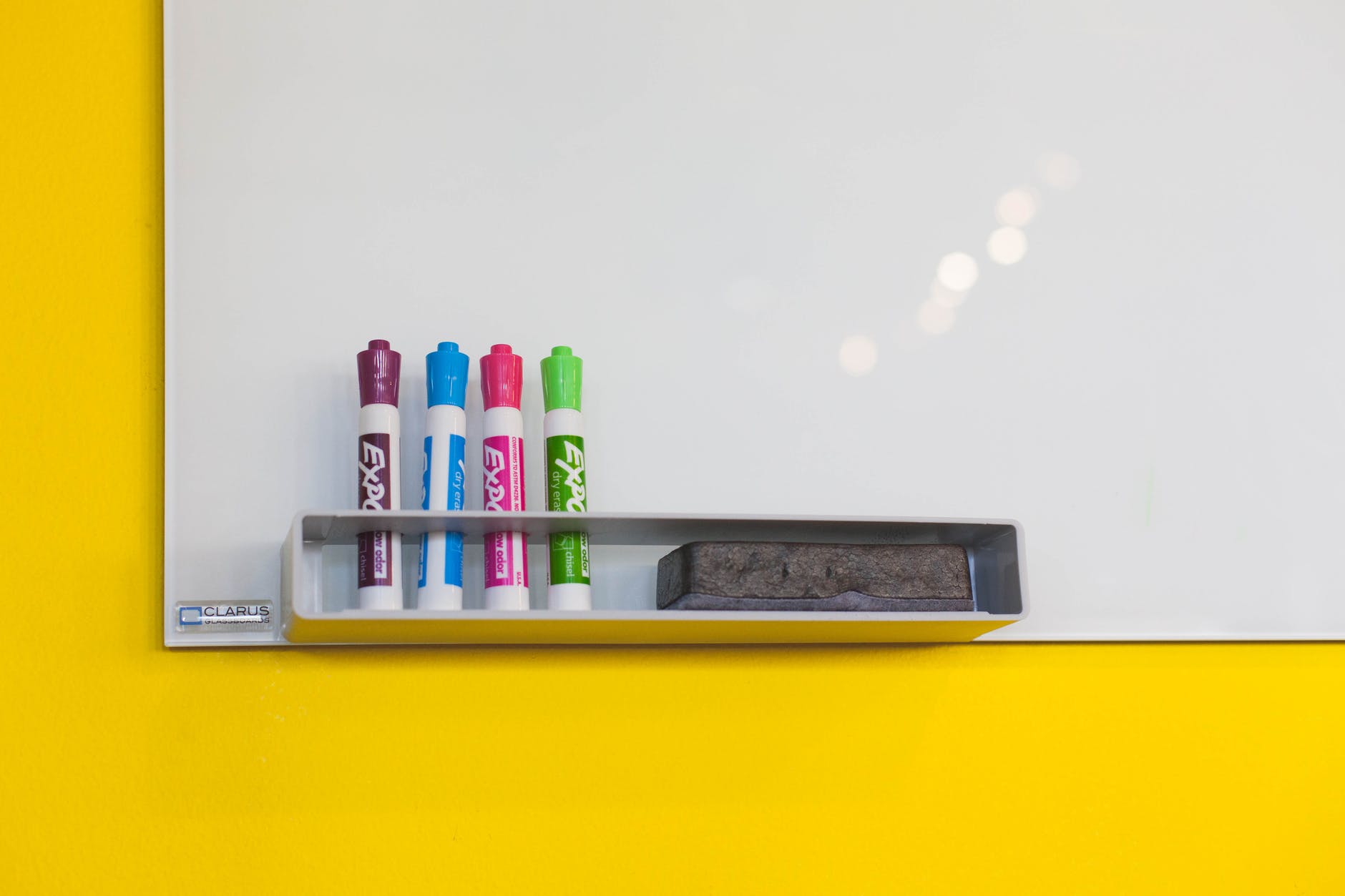
pink and green whiteboard markers and an eraser in an attached holder.
Photo by Startup Stock Photos on Pexels.com
If the primary use of a whiteboard is for disability symptom management (LOL a new acronym for DSM) then to me, that without a doubt sounds like a disability need.
Plastic storage containers and tubs

beside a pale skinned woman with a brown bob cut.
They face opposite directions in a store while choosing plastic storage boxes.
Photo by ANTONI SHKRABA on Pexels.com
If you have many sensory items, fidgets, puzzles and chew necklaces it makes sense to need visual, practical storage. I store mine in containers because as we all know, general homes aren’t equipped with extra cupboards or space for additional needs storage.
I can imagine many people with various different abilities have additional requirements for storage of their specific needs.
Scented candles
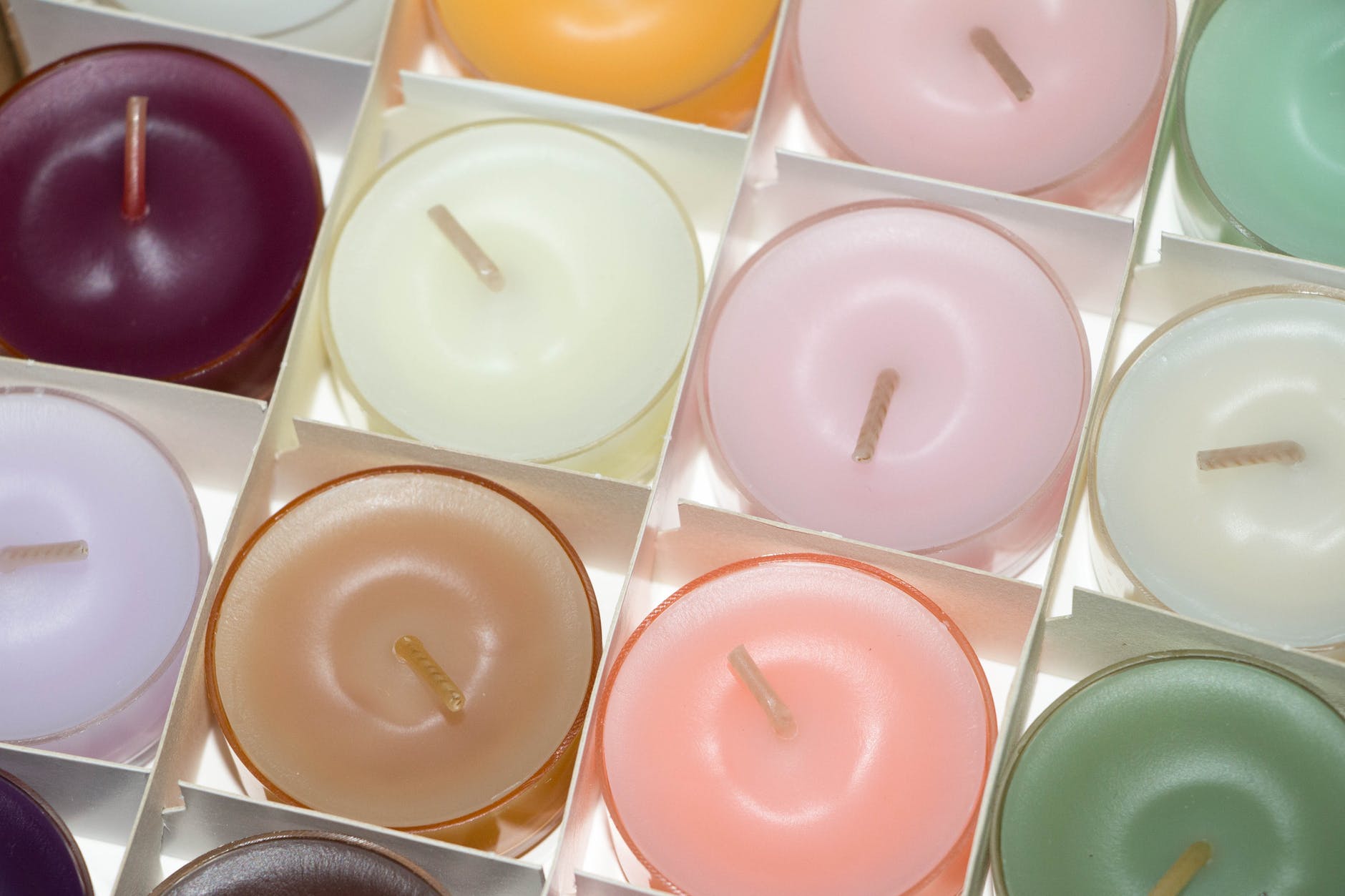
cherry, white, pale pink, orange,green and light brown.
The candles are separated by cardboard.
Photo by Pixabay on Pexels.com
If you are hypersensitive to smell then you know some scents are simply intolerable.
When I’m faced with overwhelmingly strong smells like mould and lavender, I often must try to mask it with something else (if I can).
I can’t tolerate virtually any aerosol spray in existence (rarely, I will tolerate a minuscule spritz of a *hhst* sound – which must be away from my face or I’ll be uncomfortably hand flapping and rocking until I can’t smell it so strongly.)
Scented candles mask unpleasant smells in a non-offensive manner for me.
Candles provide light, which is an everyday need but can be a sensory seeking experience.
I’m often mesmerized by flickering candles. They’re a great visual stim and much safer than going out at night alone to sit on a hill and stare at the city lights. City lights don’t give the same effect either.
Final thoughts:
People have various reasons for their and this should be acknowledged and recognised.
I’ve covered a lot of examples here, but this is a non-exhaustive list.
I write from my own perspective and would love to hear from you!
Leave a comment!
What “everyday items” do you use for different purposes?
How do you think outside the box when it comes to your sensory needs

 Jaz From Australia